



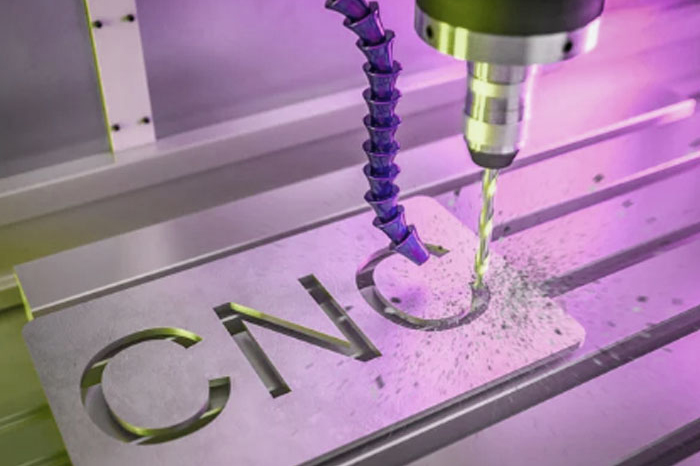
CNC Machining Process Flow for Titanium
-
Material Selection and Inspection
Select titanium or titanium alloy materials that meet relevant standards (such as TA1, TA2, TC4 / Grade 2, Grade 5). Inspect chemical composition, mechanical properties, and surface quality. -
Process Planning and CNC Programming
Develop the machining process based on part geometry and tolerance requirements, plan the process route, and generate CNC programs. -
Cutting and Pre-treatment
Cut raw materials to size by sawing or blanking. Stress-relief treatment may be applied to minimize deformation during machining. -
Fixturing and Positioning
Use appropriate fixtures and positioning methods to ensure secure clamping and reduce vibration and thermal deformation. -
Rough Machining
Perform rough turning, milling, or drilling to remove most of the material allowance while controlling cutting temperature and tool wear. -
Semi-finish Machining
Semi-finish critical dimensions, leaving proper allowance for final machining. -
Finish Machining
Conduct finish turning, milling, threading, or tapping to achieve required dimensional accuracy, surface roughness, and geometric tolerances. -
Deburring and Surface Treatment
Remove burrs and polish the parts. Apply surface treatments such as sandblasting, pickling, or anodizing if required. -
Inspection and Quality Control
Use CMMs, hardness testers, and other inspection tools to verify dimensions, tolerances, and surface quality. -
Cleaning, Packaging, and Storage
Clean, protect, and package qualified products to prevent damage during transportation and storage.